
A front-only camera records what happens ahead. A 2-channel system adds a second camera at the rear of the vehicle, giving you footage from both directions.
That additional camera also makes the installation more involved.
The rear-camera cable normally needs to be routed carefully through the vehicle to the rear window or appropriate mounting location, while keeping wiring discreet and avoiding interference with vehicle trim, controls and safety systems.
DNH handles the complete installation—from front-camera positioning to rear-camera mounting, power connection and final system testing.
Our mobile service means you can have the system professionally installed without spending hours waiting at a workshop.
That's fine. DNH can install many customer-supplied 2-channel systems from established dash cam manufacturers.
Send us:
This lets us determine the appropriate installation requirements before booking.
DNH also offers supply-and-install options.
We can help you select a front-and-rear system based on your vehicle, budget and required features such as Wi-Fi, GPS, parking recording and higher-resolution footage.
Compatible 2-channel dash cameras can be hardwired to support a cleaner installation and, where supported, parking-mode operation.
A quality 2-channel dash cam deserves a professional installation.
DNH Dash Cam Solutions provides mobile front and rear dash cam installation across Melbourne, with discreet wiring, careful camera positioning and complete system testing.
Already own your cameras? We can install compatible customer-supplied systems.
Need the complete setup? We can also help with supply and installation.
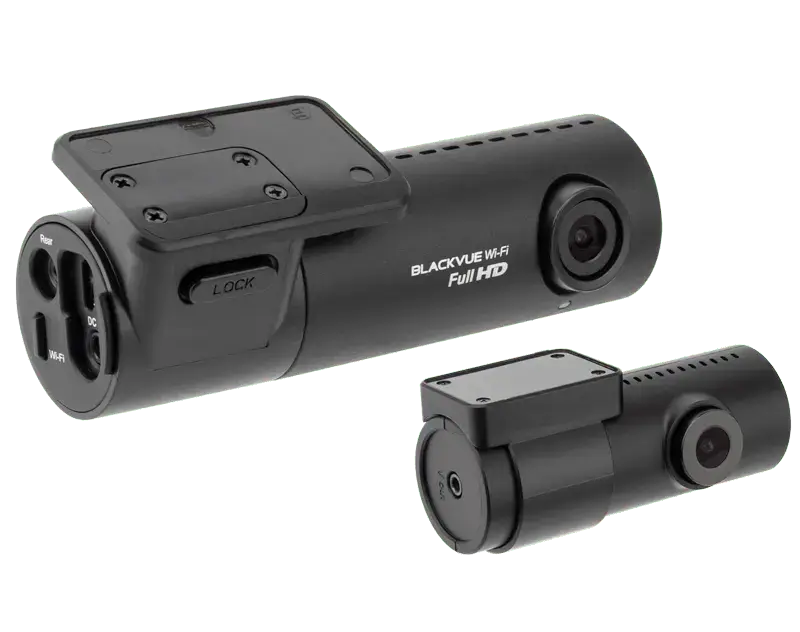
A 2-channel dash cam uses two cameras, normally one recording the road ahead and another recording behind the vehicle. Both cameras operate as part of the same dash cam system.
Yes. “2-channel,” “dual-channel,” and “front and rear dash cam” commonly describe systems that record from two separate cameras.
Yes. DNH can install many customer-supplied systems provided the cameras, cables and accessories are compatible with the vehicle.
The rear camera is normally positioned on or near the rear glass, depending on the vehicle and camera design. The exact mounting location is determined during installation.
The connecting cable is routed through appropriate parts of the vehicle trim wherever practical, keeping visible wiring to a minimum and avoiding interference with vehicle systems.
Yes. DNH provides mobile dash cam installation across Melbourne at homes, workplaces and other suitable locations.
Yes, compatible front-and-rear dash cam systems can usually be professionally hardwired. We can confirm the appropriate setup for your vehicle and camera.
Some systems support parking recording when connected using a compatible hardwire kit or external dash cam battery. Availability depends on the camera and installation configuration.
No.
A rear dash cam is primarily designed to record footage behind the vehicle. A reversing camera is designed to provide live rear visibility while reversing.
They serve different purposes.
Rear-camera cable routing can vary considerably between vehicle types. Hatchbacks, SUVs, utes, vans and vehicles with moving tailgates can require different routing methods, which is why we ask for your vehicle details before quoting.
Installation time depends on the vehicle, camera model, cable routing and whether hardwiring or parking-mode setup is required. We can provide a more accurate indication once we know the vehicle and dash cam model.
If you need front, rear and cabin coverage, consider our 3 Channel Dash Cam Installation service.