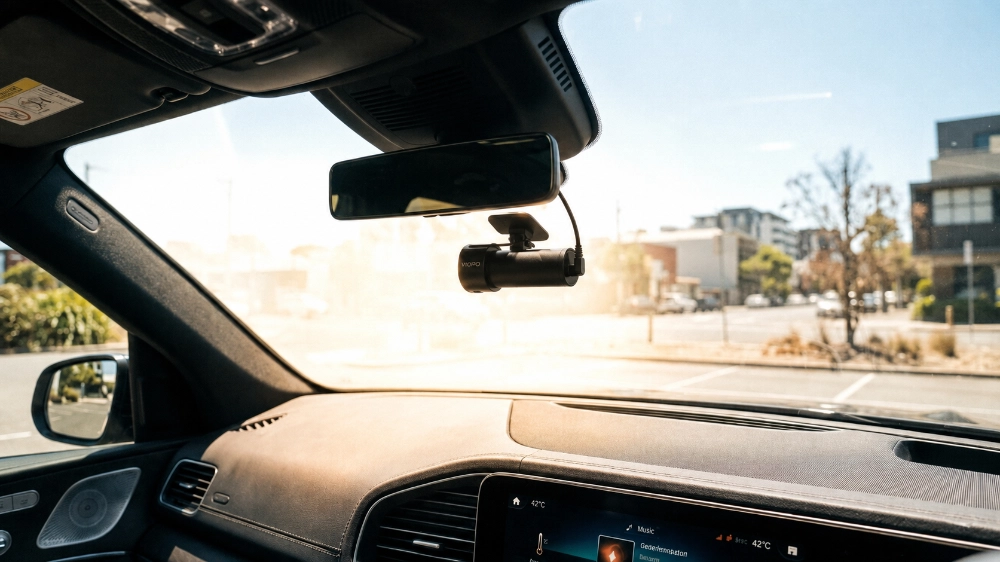
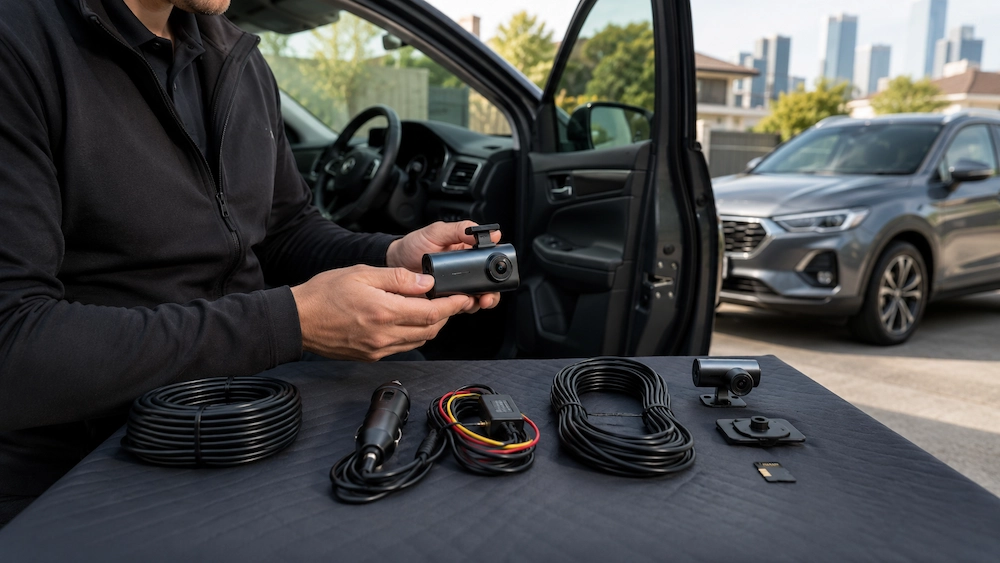
TL;DR : Most customer-supplied dash cams can be professionally installed if the camera, vehicle, wiring, and accessories are compatible.
Key Takeaways:
Many Melbourne drivers buy a dash cam before arranging installation, whether from an online deal, a gift, an upgrade, or after comparing reviews. In most cases, a customer-supplied dash cam can be professionally installed if the camera, cables, hardwire kit, and vehicle setup are compatible.
A dash cam installation involves more than mounting a camera and hiding a cable, with placement, wiring, power, and setup all affecting performance. Professional installation helps avoid wiring, power, and recording issues while protecting both the vehicle and dash cam.
If you already own a dash cam, most installers can professionally fit it for you, especially if it’s a well-known brand with all the required accessories. This is a popular option for drivers who have already chosen a camera based on features, reviews, recommendations, or budget.
Not every dash cam is installed ready out of the box. Installers need to confirm the model and that all required components are included before setting up features like rear recording or parking mode.
A proper dash cam installation secures the camera, conceals wiring, and ensures features like parking mode work correctly without risking battery drain. That is why a professional installer asks about your goals, not just your camera. Some of the key questions they may ask include:
The answers to these questions help determine the most suitable installation approach.
Before installing a customer-supplied dash cam, the installer will usually need a few details to help avoid any surprises on installation day.
The brand and model help the installer understand the camera’s power requirements, mounting system, cable type, rear camera connection, and parking mode setup. Known dash cam brands are often easier to assess because their accessories and wiring requirements are clearer.
Some lower-cost or unfamiliar models can still be installed, but short cables, poor mounts, incompatible wiring, or missing hardwire kits may cause issues. In some cases, the camera may not support the feature the customer expects, even if the product listing made it sound like it does.
The following points outline the installation requirements and setup considerations for each common dash cam configuration.
One-channel (front-only) dash cam:
Two-channel (front and rear) dash cam:
Three-channel (front, rear, and cabin) dash cam:

The installer will usually ask for your vehicle to make, model, year, vehicle type, and sometimes engine type. This matters because different vehicles have different fuse locations, trim designs, airbags, battery systems, and rear door layouts.
A small hatchback is not the same as a large SUV, ute, van, luxury car, hybrid, or EV. Some vehicles require extra care around curtain airbags, while tailgates, barn doors, canopies, and cargo areas can affect rear camera wiring.
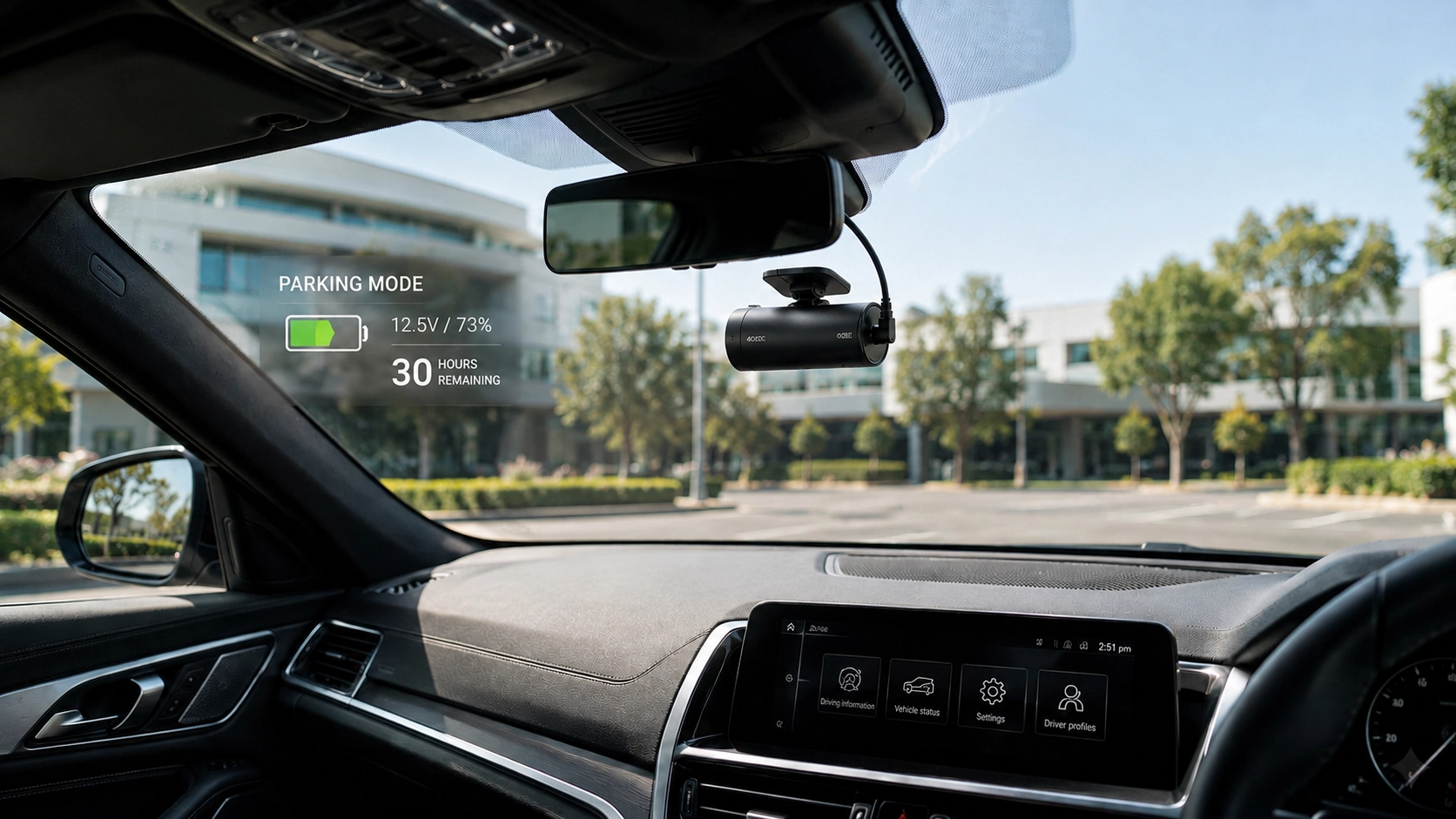
A hardwire kit is often essential for a professional dash cam installation, connecting the camera directly to the vehicle’s power system and enabling features like parking mode. Without the correct hardwire kit, the dash cam may not work as intended, as different models often require specific kits and connectors.
A suitable hardwire kit helps prevent battery drain by cutting power when voltage drops too low. Installers will usually check that you have a compatible kit because it is important for safe and reliable operation.
A dash cam is only useful if it records reliably when you need it, whether after a collision, hit-and-run, parking incident, or other unexpected event. Poor installation, incorrect wiring, or power issues can prevent the camera from working properly and capturing important footage.
Poor dash cam installation can lead to messy or visible wiring, safety concerns around airbag areas, and power issues that affect recording or parking mode performance. Poor camera placement can also reduce footage quality by causing glare or obstructed views.
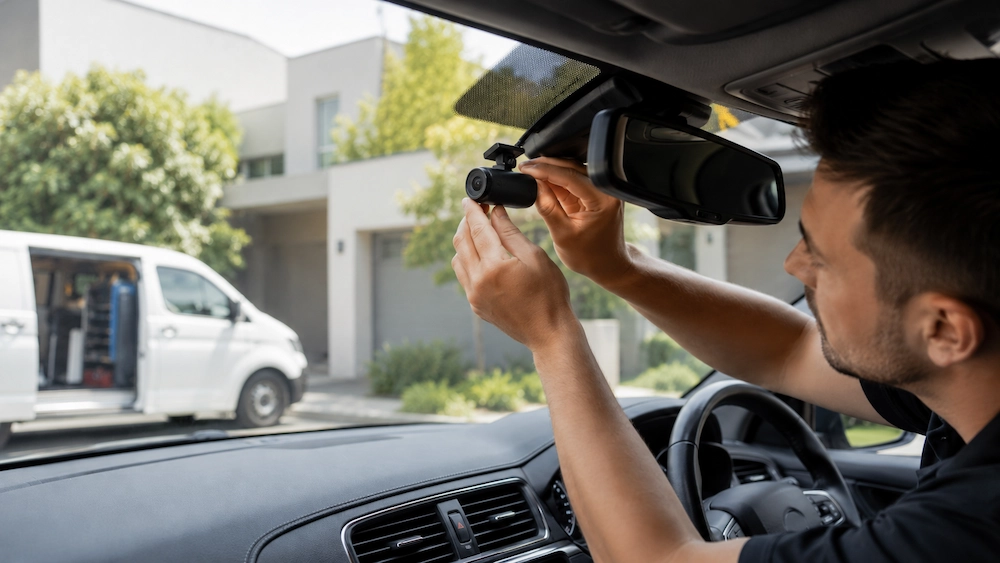
A professional installer should confirm all required parts are present, then fit, wire, and test the dash cam to ensure it records properly and parking mode works as intended. They should also show you how to access footage, manage the memory card, and use the camera key features so you can get the most from your setup.
There are times when a customer-supplied dash cam may not be ready for installation because key parts are missing or incompatible. This is especially common with second-hand or imported dash cams, where essential parts may be unavailable or difficult to source locally.
A dash cam with faults such as power issues, memory card errors, or a damaged mount may not perform reliably even after installation. It is also worth checking which features your specific model actually supports, as advanced features are not included on every dash cam.
Buying your own dash cam can work well, but you’ll usually be responsible for compatibility, accessories, and any warranty issues. If you’re unsure which camera to choose, a supply-and-install package can simplify the process with a suitable recommendation and professional setup.
Have your postcode, vehicle details, dash cam model, and any accessories ready so the installer can confirm compatibility and quote accurately. Let them know if you need features like parking mode, hidden wiring, or an external battery pack, as this helps avoid delays and ensures the installation is planned correctly.
A dash cam is one of those things you rarely think about until you actually need it. That’s why proper installation matters.
A well-installed dash cam should:
DNH Dashcam Solutions offers mobile dash cam installation across Melbourne and can often install customer-supplied dash cams after checking the camera model, vehicle details, and required accessories. The team helps ensure your setup is compatible before the installation goes ahead.
Whether you have front-only, front-and-rear, or three-channel dash cam, DNH Dashcam Solutions can advise on the best installation approach. If you’re unsure whether you have the right parts, simply provide your dash cam and vehicle details for guidance before booking.
If you already have a dash cam and want it installed properly, contact DNH Dashcam Solutions before booking so the right details can be checked upfront. Share your postcode, car make and model, dash cam brand and model, installation type, and whether you have a hardwire kit.