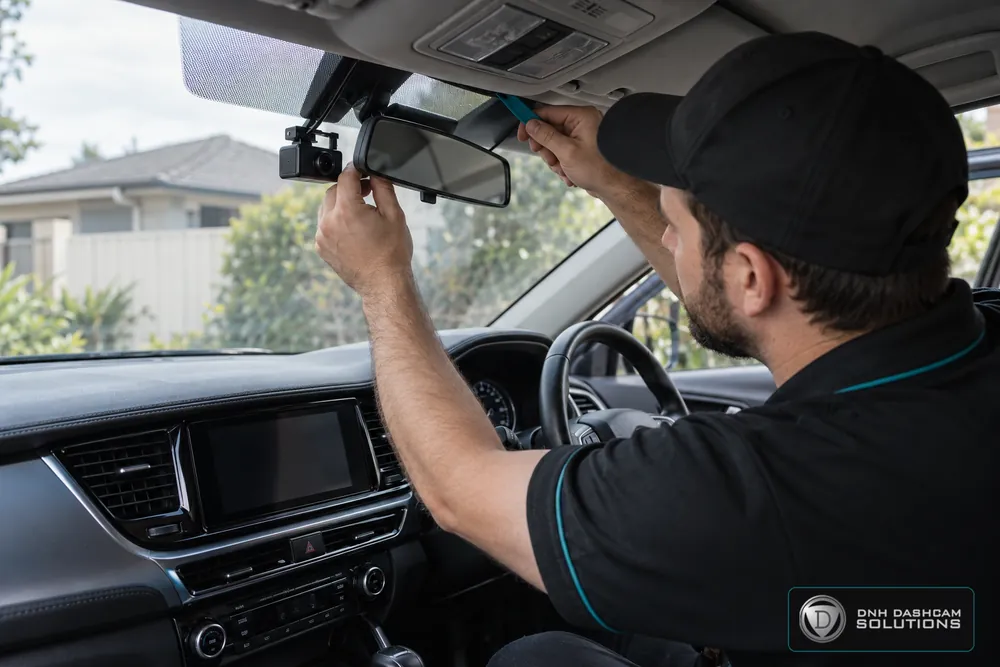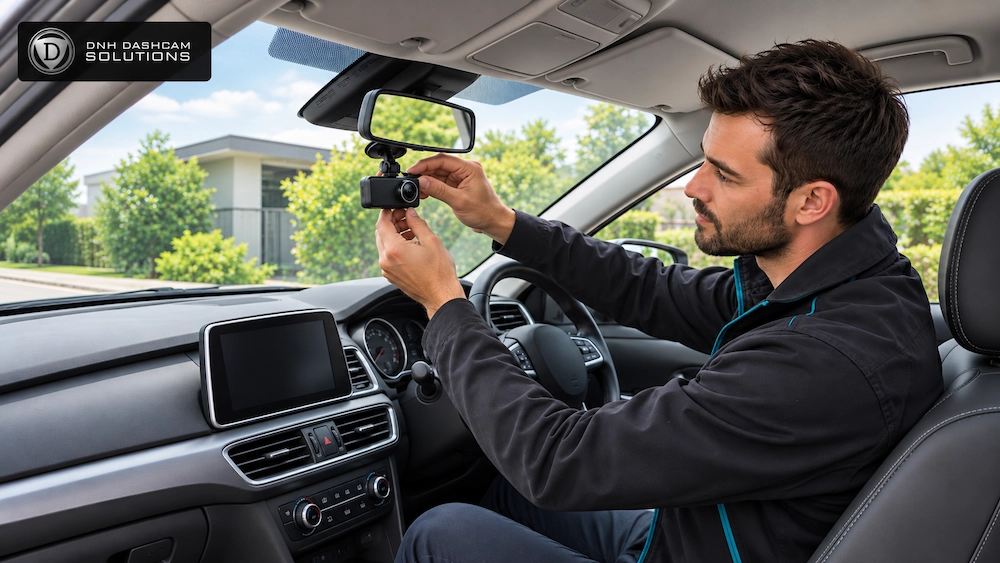

TL;DR
Most aftermarket dash cams can be transferred to another vehicle, provided the equipment works, and the new car supports a compatible setup. Reusing your existing camera could save money, although some wiring and mounting accessories may need replacing.
Key Takeaways
Buying a new car is exciting, but what happens to the dash cam you have already paid for? If it still records clearly and works without problems, leaving it behind or buying another one might be an unnecessary expense.
The good news is that many dash cams can move between vehicles. The challenge is knowing which parts you can keep, what needs replacing, and whether transferring the system makes financial sense.
Yes, most aftermarket dash cams can be transferred to another vehicle, including front-only, front-and-rear and three-channel systems. If the cameras work properly and their accessories are compatible, you may be able to reuse your existing setup without buying a replacement.
Different cars have different mounting layouts and power connections, so your existing cables or brackets may not fit. Check your dash cam’s model, condition and compatibility with the new vehicle before arranging a transfer.
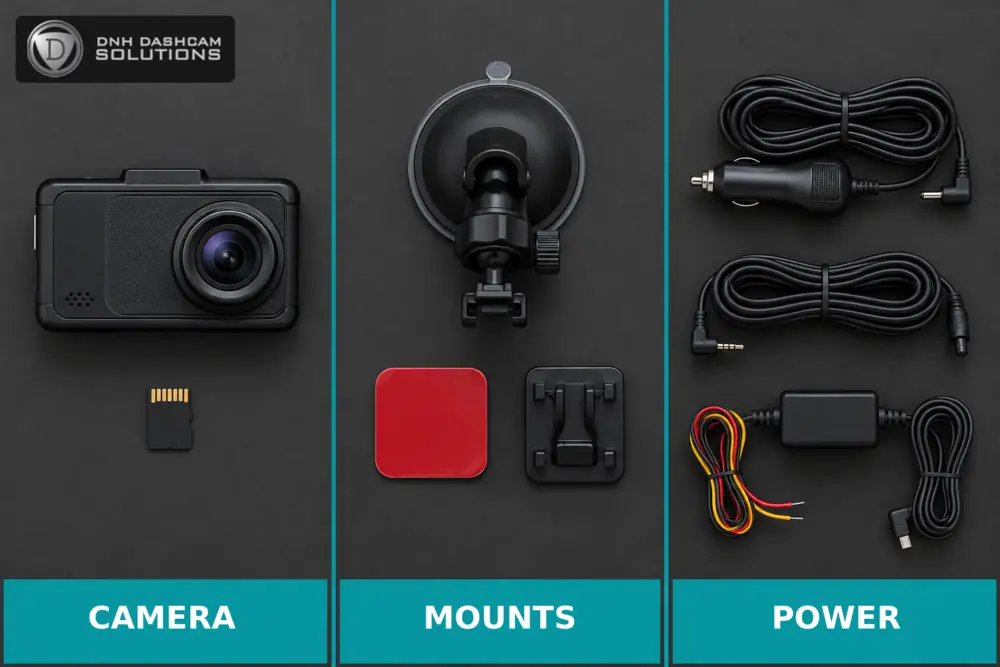
Not every component needs replacing it when changing cars. Knowing which parts can move with you helps prevent unnecessary purchases while ensuring the new installation works properly.
The main camera unit is usually the easiest component to reuse if it records clearly, powers on reliably and has no damage. Rear and interior cameras can also be transferred if compatible, but test the entire system before removal, especially if it is several years old.
You can reuse your microSD card if it still works reliably, but replace it if recordings are missing or corrupted. Back up important footage before removing or formatting the card.
Some dash cams use reusable suction mounts, while others attach to the windscreen with adhesive pads. Suction mounts often transfer easily, but adhesive pads usually need replacing after removal to keep cameras securely attached.
Reusing weakened adhesive can leave the camera poorly secured, particularly during hot Melbourne summers. Check that replacement pads or brackets are available for your exact model rather than assuming a generic mount will fit.
Power and rear-camera cables can move to your new car if their connectors, specifications and lengths are compatible. If existing cables are incompatible, replacements may be needed to ensure a safe, tidy installation in your car.
Hardwire kits and external battery packs need extra checks because vehicle power systems, charging connections and mounting spaces vary. Just because these accessories worked in your old car does not mean they will suit your next one.
A few checks before trading in or selling your car can save you from discovering missing parts after the old vehicle has gone.
If you no longer have the original packaging, look for the brand and model number on the camera itself. This information can help an installer identify compatible accessories before the appointment.
Hardwired dash cams need a fresh power check because fuse layouts and electrical systems differ between vehicles. An installer should confirm suitable connections before reinstallation to prevent recording faults or electrical issues.
Parking mode needs a suitable power supply and battery protection settings to work reliably in your new car. Even a reusable hardwire kit may need professional adjustments to match the vehicle’s electrical system.
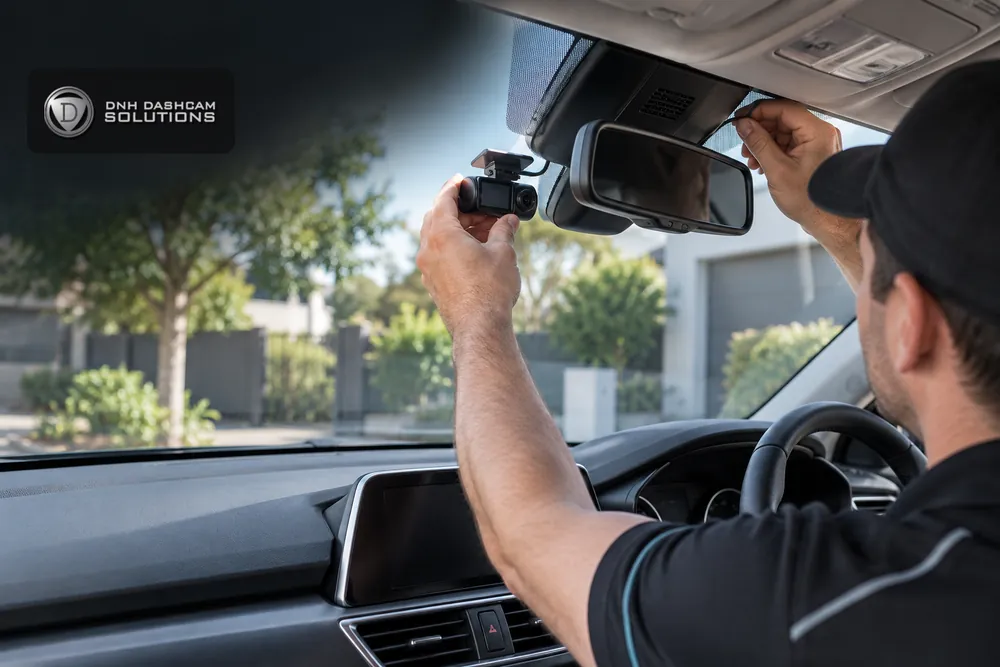
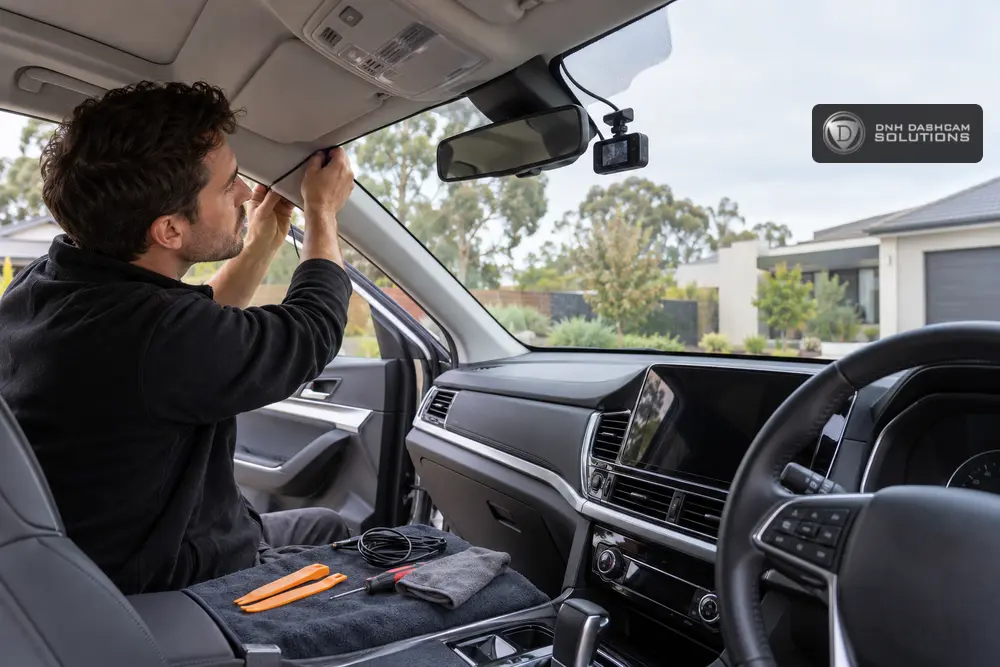
Removing a dash cam takes care, especially when cables are hidden behind the headlining, windscreen pillars and interior trim. Pulling them out carelessly can damage clips or interfere with airbag components, while forcing adhesive mounts may damage the camera or leave residue on the glass.
Hardwired systems should be safely disconnected, with the vehicle’s electrical connections properly restored. Before handing over your old car, back up important footage and remove your memory card or clear personal recordings, location history and connected account details.
Transferring a working dash cam can save money, especially if you already own a reliable, high-quality system. However, costs vary because simple front-camera transfers generally require less work than hardwired front-and-rear installations.
When comparing your options, consider:
Transferring a reliable premium dash cam may save money, while reinstalling a faulty budget model might not be worthwhile. Compare an itemised transfer quote with a new supply-and-install package before deciding.
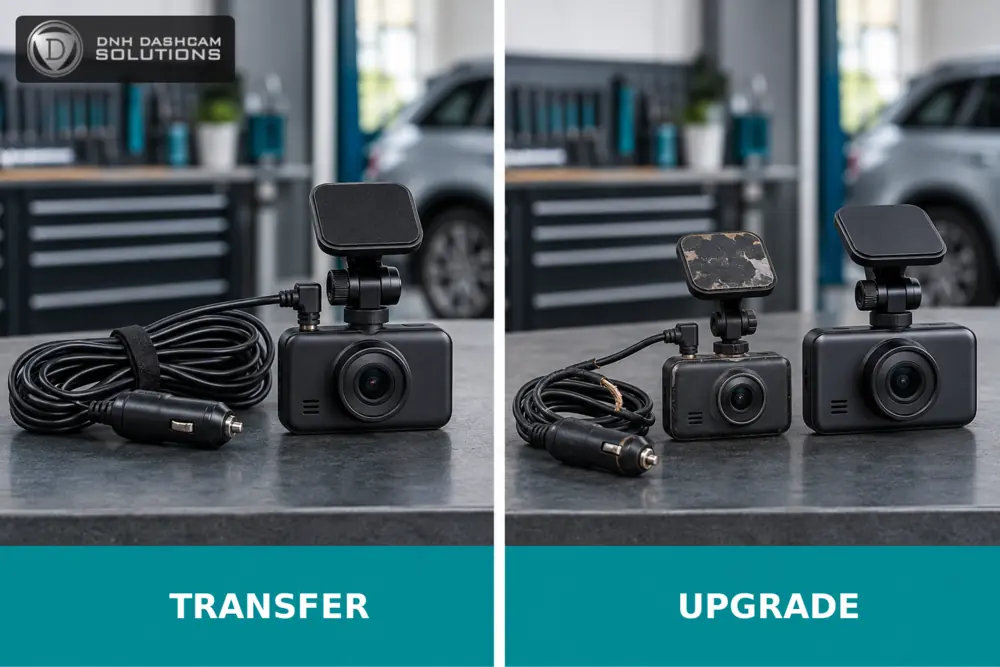
Keeping your existing dash cam is not always worthwhile, especially if it struggles in low light or records unreliably. Ageing components and hard-to-find replacement parts can also make upgrading a smarter investment.
Your needs may have changed, particularly if your new vehicle would benefit from rear recording or parking mode. Before replacing your camera, check whether its current performance and features still meet your needs.
Before removal, the installer checks your dash cam model, power setup and both vehicles to identify reusable parts, required accessories and any recording or parking mode issues.
The cameras are positioned correctly in the new vehicle, with wiring neatly secured away from airbags and controls. Any hardwire connections are checked for compatibility with the new electrical system.
Before handover, the installer should test recording quality, camera angles, memory card, power connections, and parking mode settings. Reviewing sample footage confirms the cameras capture the intended views.
Moving your dash cam raises questions about compatibility, replacement accessories and vehicle warranties. Here are four common concerns to address before arranging a transfer.
Keep your reliable dash cam when changing cars with our mobile removal and reinstallation service across Melbourne. We assess compatible cameras, mounting accessories, wiring and parking mode requirements before fitting your system.
Whether you own a BlackVue, Viofo, Thinkware, FineVu or Garmin, we can help prepare your existing camera for its next vehicle. Enjoy convenient mobile dash cam installation at your home or workplace, with camera positioning and recordings checked before handover.
Your current dash cam might have years of useful recording left. Before spending money on a replacement, find out whether it can move safely into your next vehicle.