
TL;DR
The best dash cam setup for Melbourne depends on whether you need coverage for traffic, parking or passenger journeys. Front-and-rear cameras suit many commuters, while parking mode and three-channel systems can provide added protection for specific driving routines.
Key Takeaways
Melbourne driving can change quickly. One day you are squeezing into a tight inner-city car park, the next you are crawling through peak-hour traffic on the Monash, then heading out for a long commute before sunrise. A dash cam setup that works well in one situation may not give you the same protection in another.
The right system depends on where you drive, where you park and what you want the camera to capture. For some drivers, a simple front dash cam is enough. Others may benefit from front-and-rear coverage, an interior camera or parking mode that keeps watch while the car is unattended.
Before diving into camera brands and video resolutions, it helps to focus on how you actually use your vehicle every day. The best dash cam isn’t the one with the longest feature list, but the one that offers reliable coverage without adding unnecessary complexity.
Your primary driving environment will largely dictate which features matter most, whether you’re commuting on busy freeways or driving for a rideshare service. For instance, a car parked on a suburban street or at a train station has vastly different surveillance needs than one kept safe inside a locked garage.
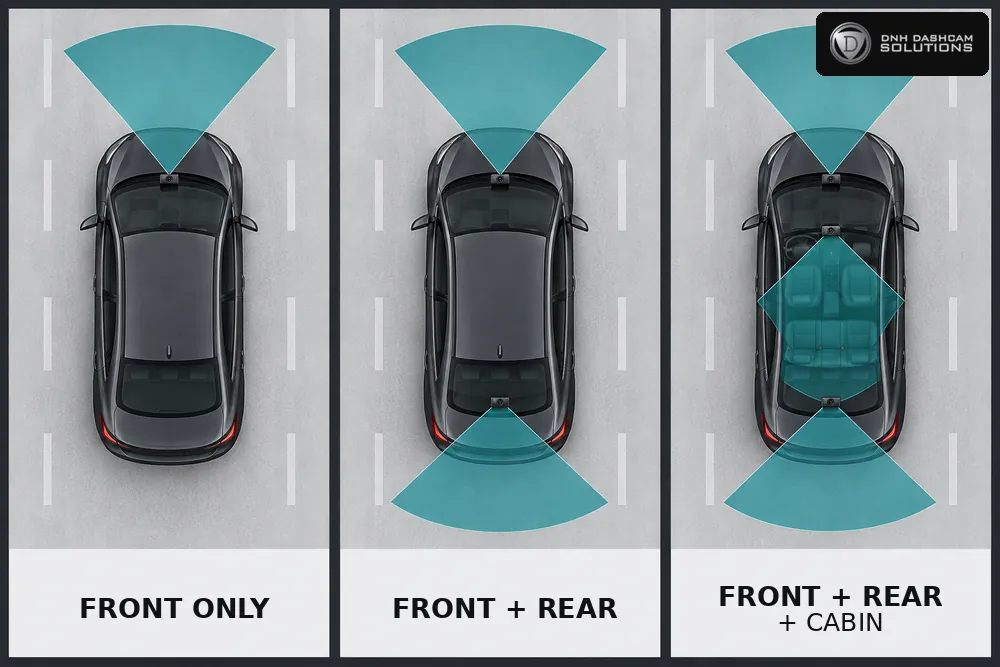
For many drivers, a front-and-rear dash cam is the most balanced option. It records what happens ahead of your vehicle and behind it, which can be especially useful in heavy traffic, lane changes and rear-end incidents.
Melbourne’s freeway network, congested arterial roads and unpredictable stop-start traffic can create plenty of situations where having footage from both directions is helpful. If another vehicle follows too closely, hits the rear of your car or disputes what happened after an incident, rear footage can add important context.
A two-channel dash cam records the road ahead and behind your vehicle at the same time. It is a practical choice for drivers who want broader coverage without adding an interior camera.
It can be especially useful if you:
For most private vehicles, it offers a useful step up from a front-only camera while keeping the cabin uncluttered. If front-and-rear coverage sounds right for your routine, learn more about 2-channel dash cam installation service.
A front-only dash cam can still be a smart choice for drivers who mostly make shorter trips around their local area. It records the road ahead, which is where many incidents take place, including sudden braking, vehicles pulling out, intersections and unexpected hazards.
This option is often suitable for second cars, smaller vehicles, drivers on a set budget or anyone who wants a straightforward system with fewer components. It can also work well for people who park in a secure garage and do not need regular rear or cabin coverage.
A one-channel setup may suit you if:
A professionally fitted front camera can still provide excellent daily protection. The key is correct placement, reliable power and clear footage that is easy to access if something happens.
Parking security is one of the main reasons local drivers opt for a hardwired dash cam installation. Even when your vehicle is turned off and parked, it remains vulnerable to hit-and-runs, door dings, and street vandalism.
A system with active parking mode continues monitoring your surroundings long after you have switched off the ignition. This provides vital peace of mind whether you regularly leave your car at a busy shopping center, an unlit train station, or a tight inner-city street.
Hardwired parking mode keeps your dash cam active after you switch off the ignition, protecting your car from hit-and-runs, door dings, and vandalism.
It automatically triggers recording through:
This setup is ideal if you regularly park on inner-city streets, at train stations, or in busy shopping center lots.
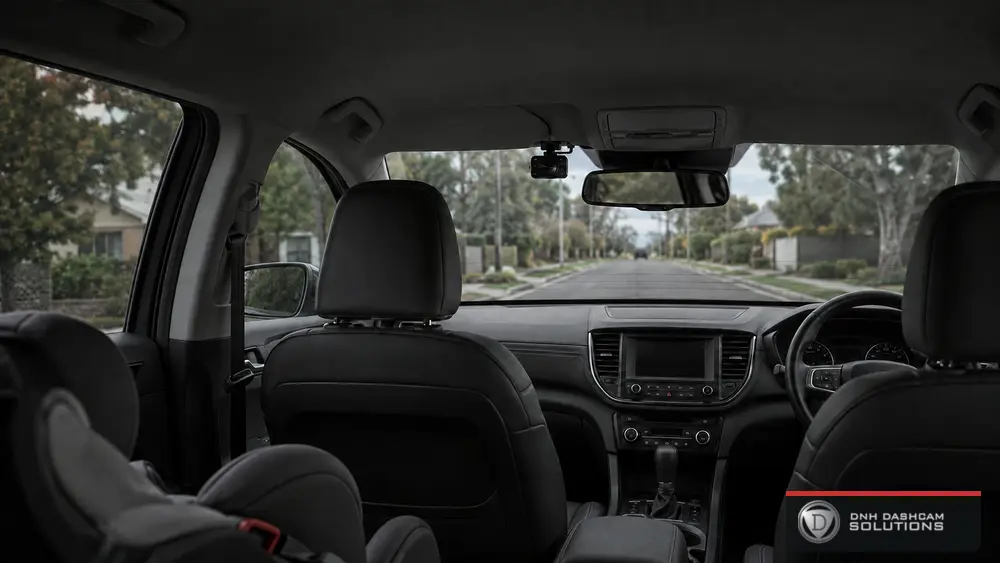
A three-channel dash cam records the front, rear and interior of the vehicle. It is often the strongest option for rideshare drivers, taxis, work vehicles and drivers who regularly carry passengers.
The interior camera can provide a record of what happens inside the cabin, while the front and rear cameras cover the road environment. For a rideshare driver, this can be particularly useful when there is a disagreement about an incident, passenger behaviour or vehicle damage.
A three-channel setup can be a good match for:
Interior recording should always be used thoughtfully. If passengers are in the vehicle, make sure you understand the relevant privacy considerations and communicate appropriately where required.
Long commutes place different demands on a dash cam. If you drive early in the morning, late at night or in changing weather, footage quality matters. Good low-light performance can make a meaningful difference when you need to identify a vehicle, road condition or number plate.
Long-distance drivers should also think about memory card capacity, heat tolerance and recording reliability. A dash cam is designed to record continuously, so it needs a suitable high-endurance memory card that can handle regular writing and overwriting.
For longer daily drives, look for a system with:
The camera also needs to be positioned correctly. A poor angle can capture too much dashboard, too much sky or part of the rear-view mirror. A proper installation ensures the camera has a useful road view without unnecessarily obstructing the driver.
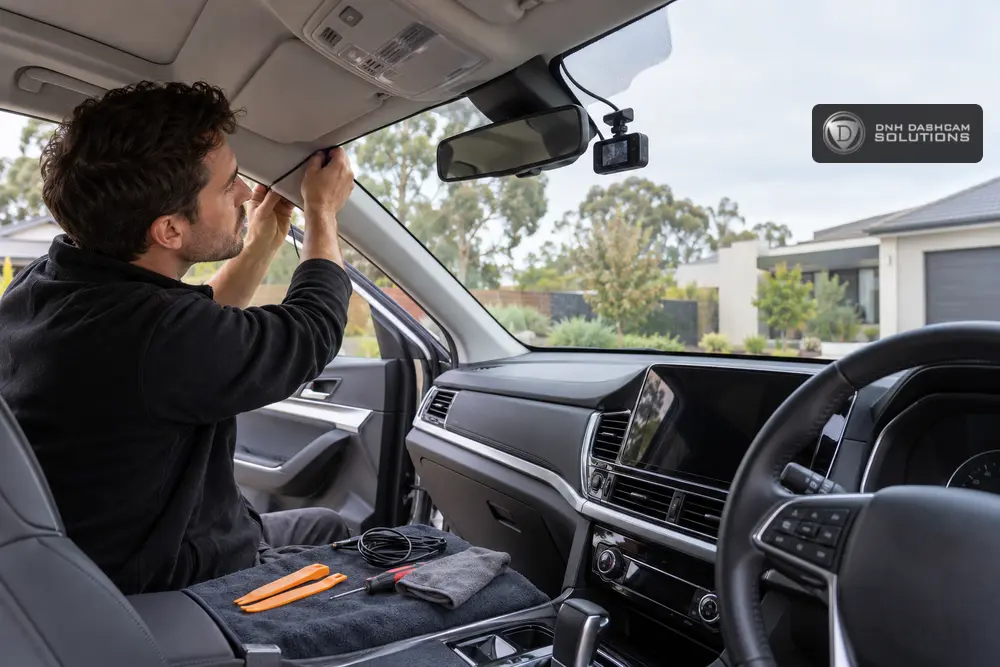
Even the top dash cam models fall short if the installation is messy or rushed. Exposed wiring, loose mounts, and dodgy power hookups don’t just look bad; they can compromise how reliably the system records when you need it most.
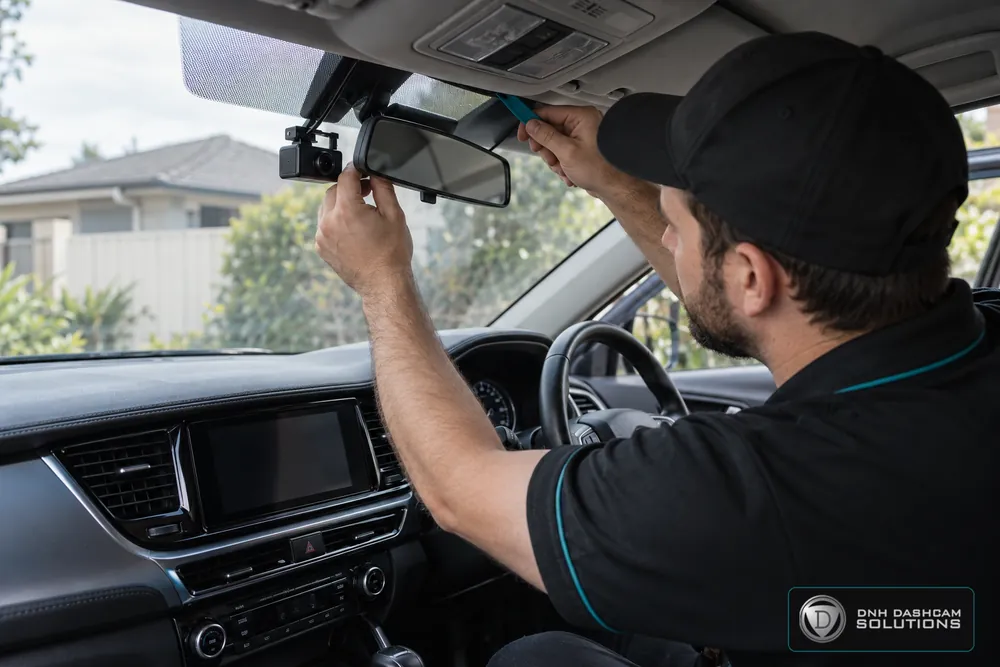
That’s why professional fitting makes a real difference, especially for multi-camera setups or hardwired parking modes that require cleanly routing cables behind airbag trim and connecting directly to the fuse box. A good technician won’t just hide the wires; they’ll also walk you through the app, show you how to access your footage, and ensure the camera properly toggles between driving and parking modes before you hit the road.
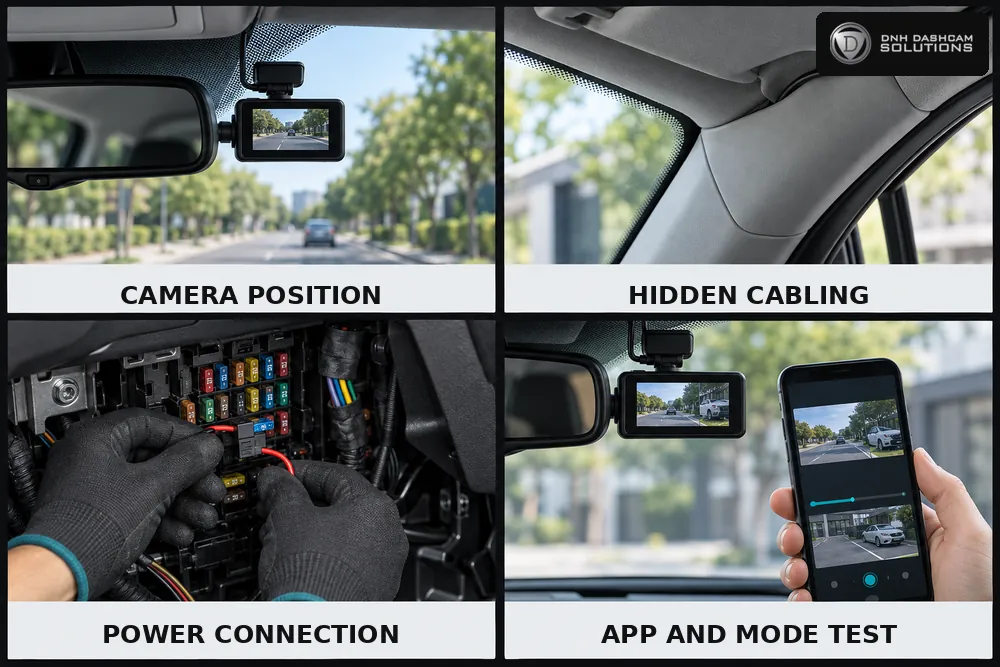
At DNH Dashcam Solutions, we bring professional mobile dash cam installation directly to your home or workplace across Melbourne. We fit everything from basic front units to full three-channel systems, carefully hiding cables and testing every setup before handover.
Whether you already have a camera or need a complete supply-and-install package, we tailor our service to your specific vehicle and driving routine. We configure the system properly and make sure you know exactly how to use it before we leave.
A dash cam should suit the way you actually drive, not just look good on a product list. A front camera can be ideal for simple everyday coverage. A front-and-rear system may be better for busy Melbourne traffic.