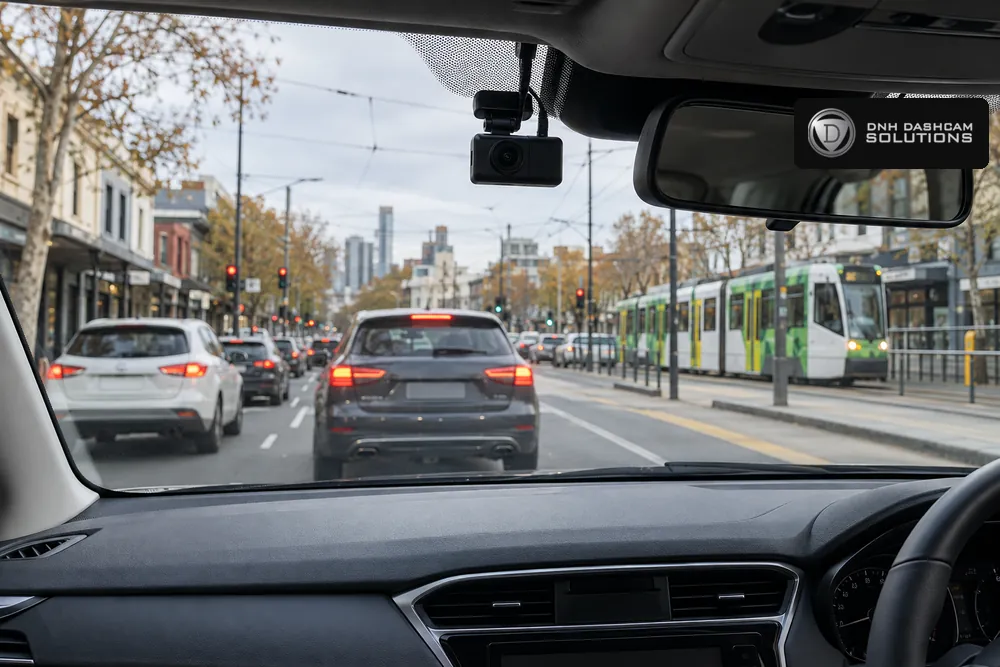

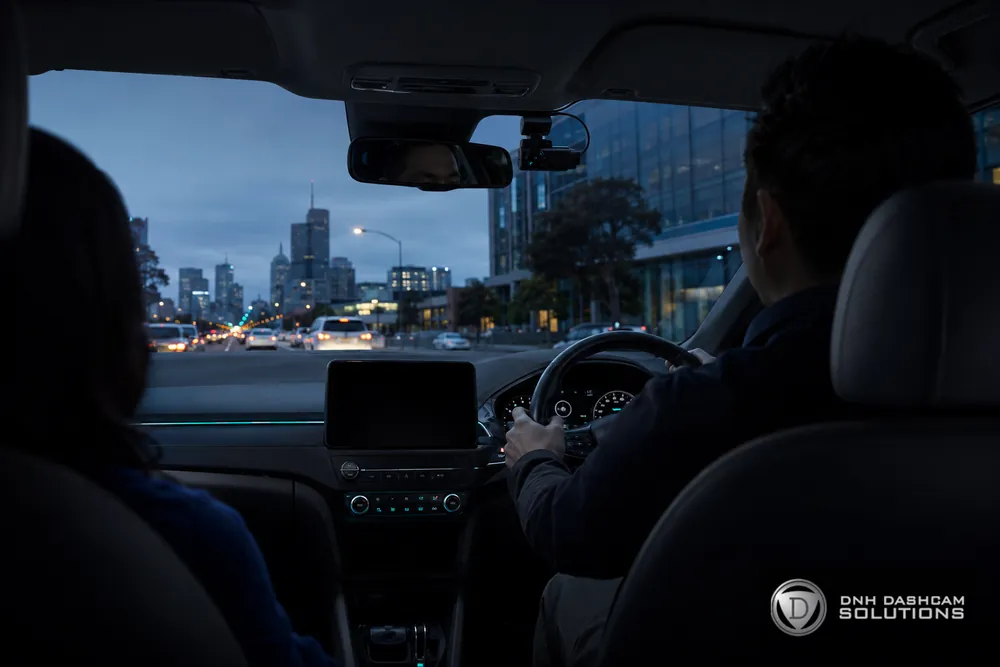
TLDR: A 3-channel dash cam for rideshare drivers provides front, rear, and cabin coverage, helping capture more of what happens during a trip. For drivers who spend long hours carrying passengers, the extra camera angle can provide useful context during road incidents, passenger disputes, interior damage, and other unexpected situations.
Key Takeaways
For most drivers, a dash cam records the road. Rideshare drivers also need coverage inside and behind the vehicle. With passengers, busy streets, pickups, drop-offs, and frequent night driving, incidents can happen anywhere, making limited camera coverage a potential problem.
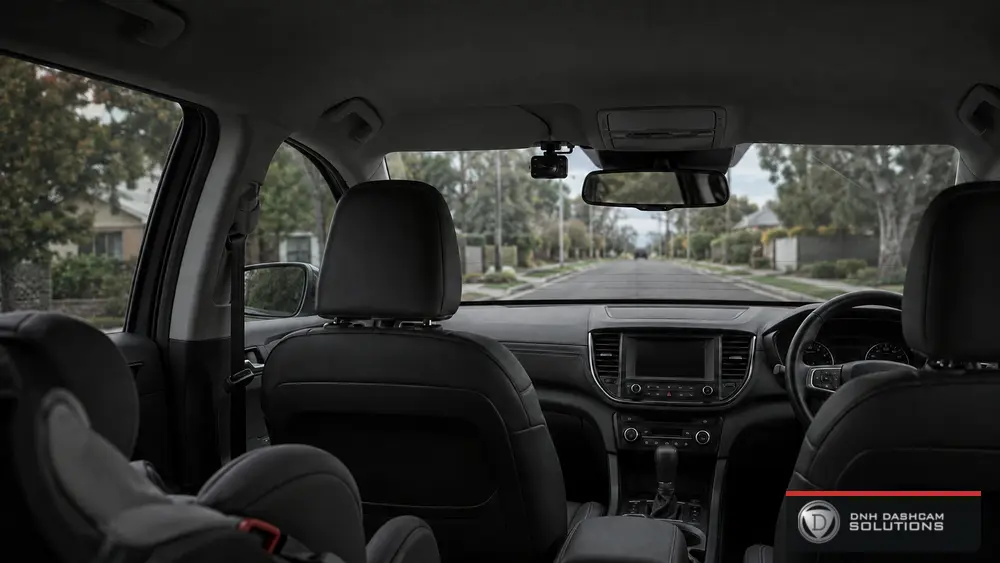
A 3-channel dash cam for rideshare drivers records ahead, behind, and inside the cabin, providing broader coverage when incidents occur. For drivers spending long hours on the road, this may be more valuable than simply choosing the highest resolution or most features.
A commuter mainly needs road coverage, while a rideshare driver also needs to monitor passengers inside the vehicle. This makes comprehensive coverage important for recording collisions, passenger behaviour, interior damage, and disputes.
The more time a vehicle spends carrying passengers, especially at night or during frequent shifts, the more valuable multiple perspectives become. A three-camera system ensures the right viewpoint is available when it matters.
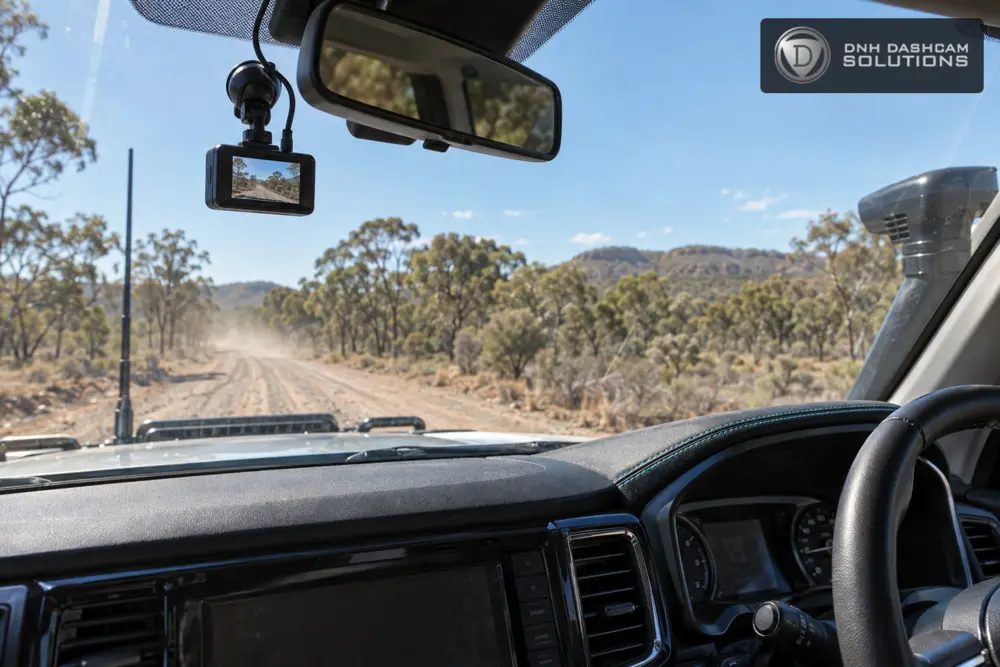
The front-facing camera remains the foundation of a good rideshare setup. It records the direction of travel and can capture many of the incident drivers are most likely to encounter.
Front footage captures traffic lights, lane positions, sudden braking, unsafe merging, road hazards, near misses, and collision events. Front footage can show why you braked suddenly, revealing another vehicle entering your lane and providing an objective context beyond memory.
However, the front camera only sees ahead. If something happens behind the vehicle or inside the cabin, much of the incident may remain outside its view.
Rear cameras may seem optional, but rideshare drivers spend enough time in traffic to make rear coverage worth considering. A rear camera records following vehicles, tailgating, rear-end impacts, and nearby incidents.
Consider a multi-vehicle incident during peak-hour traffic, where front and rear cameras capture sudden braking and impacts. The front camera records sudden braking, while the rear camera captures the following vehicle failing to stop.
Rear coverage helps monitor activity behind the vehicle during pickups and drop-offs while your attention remains focused elsewhere. Front and rear cameras create a strong external record, but they still leave one major blind spot: the passengers inside the vehicle.
For a private driver, an interior camera may seem unnecessary, but for rideshare drivers it may provide valuable context, including:
Unlike exterior cameras, it records what happens inside the vehicle and may help clarify incidents involving passengers.
It is important not to approach cabin recording with the assumption that passengers are a problem. Most rides are uneventful, but cabin footage can clarify accidental damage, forgotten belongings, or disputed events during trips.
Like insurance or a fire extinguisher, you hope you never need it. However, footage may help clarify a sudden incident inside the vehicle, particularly for drivers working at night or transporting large numbers of passengers each week.
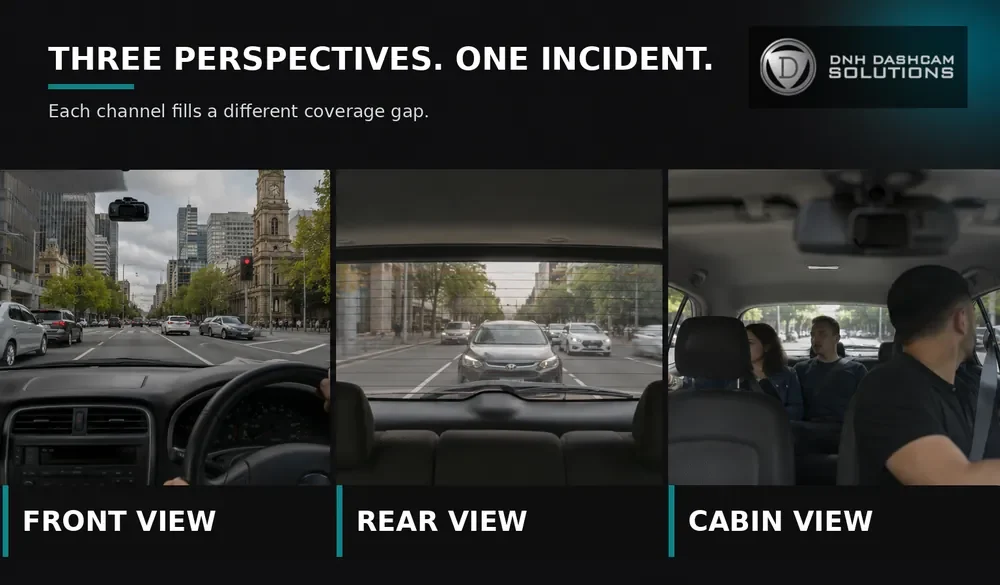
The strongest argument for a 3-channel setup is that it captures a complete incident from multiple perspectives:
Together, these three views provide a clearer context than any single camera can offer.
Adding a third camera creates practical storage and maintenance considerations. Adding a third camera increases storage demands, requiring compatible high-endurance cards and regular clip management to prevent important footage from being overwritten.
Regular checks matter reviews the memory card, confirm the date and time, inspect camera angles, and verify all channels record correctly. A dash cam should be tested and maintained regularly rather than installed and forgotten until footage is urgently needed.
Rideshare driving often happens at night, when low light, headlights, reflections, tinted glass, and dark interiors can reduce footage quality. Choose a dash cam with strong low-light performance, especially for cabin-facing cameras.
Placement matters just as much as camera quality. Even a good sensor can produce poor footage if the lens is blocked, badly angled, affected by reflections, or positioned near vehicle features that obstruct its view.
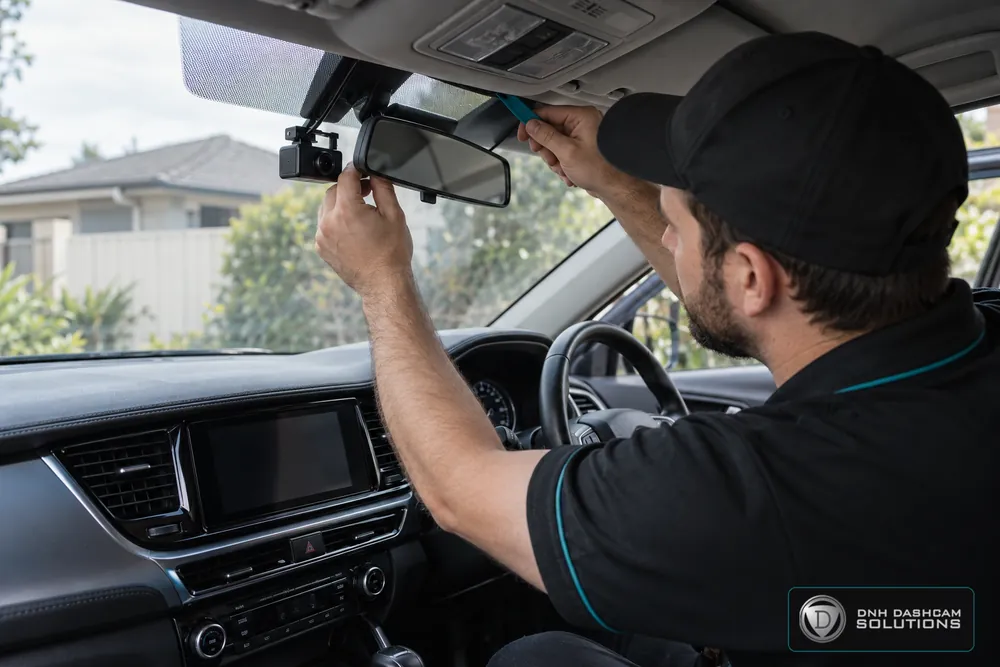
A three-camera system requires careful cable routing, clear camera angles, extra storage, and potentially more power. Rear wiring should avoid airbags, while the front and cabin cameras must not obstruct the driver or windscreen sensors.
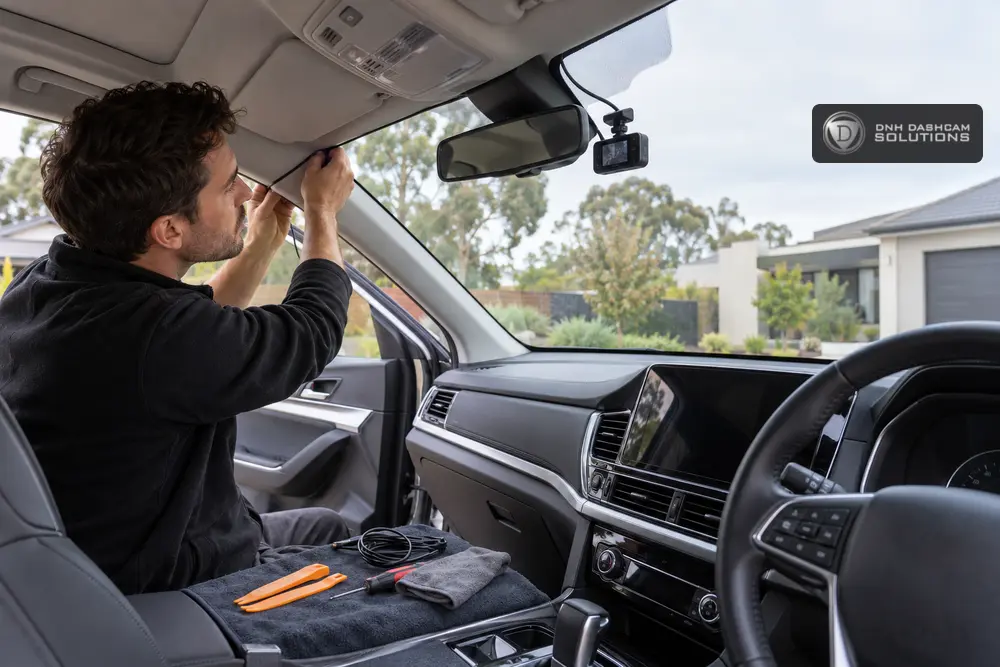
Professional installation can provide discreet wiring, reliable power, and compatible parking mode functionality. Each camera should be correctly positioned and tested to ensure reliable three-channel coverage.
Recording inside a rideshare vehicle carries greater privacy responsibilities than recording the public road, so drivers must understand and follow:
Drivers should confirm these requirements before activating cabin recording and retain or share footage only for legitimate safety or evidentiary purposes.
Not every rideshare driver needs three cameras. Drivers who complete occasional daytime trips may find front and rear coverage sufficient, while those working full-time at night in busy areas may benefit more from cabin footage.
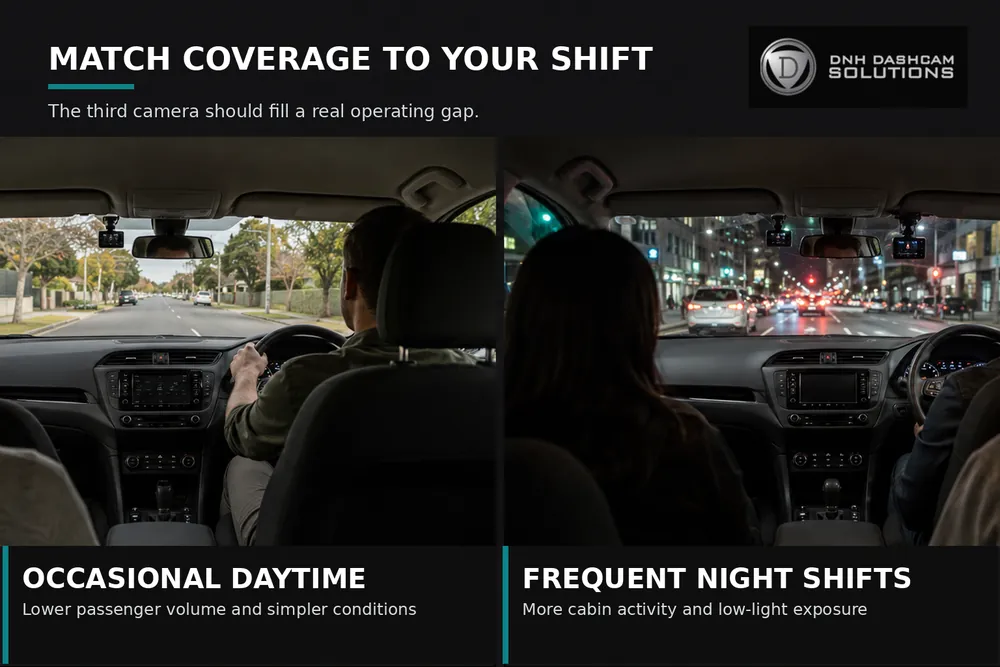
The right setup depends on driving hours, passenger volume, parking needs, and the situations you want documented. A 3-channel dash cam for rideshare drivers is most useful when the third camera fills a genuine coverage gap rather than simply adding unnecessary equipment.
Instead of asking, “Which dash cam has the most features?”, consider the situations you need to cover and ask:
If the answer is yes, a three-channel dash cam may be a practical investment rather than an unnecessary upgrade.
We provide mobile dash cam installation across Melbourne, backed by over 25 years of combined automotive industry experience. We install front-only, front-and-rear, and 3-channel dash cams across Melbourne, including customer-supplied cameras.
For rideshare vehicles, we handle camera positioning, discreet wiring, hardwiring, parking mode, app setup, and recording checks. Installations occur at convenient locations, with guidance tailored to your vehicle, driving habits, parking requirements, and budget.
If you regularly carry passengers around Melbourne, your dash cam should cover the road, rear, and cabin. DNH Dash Cam Solutions installs and configures tailored three-channel systems for rideshare vehicles.