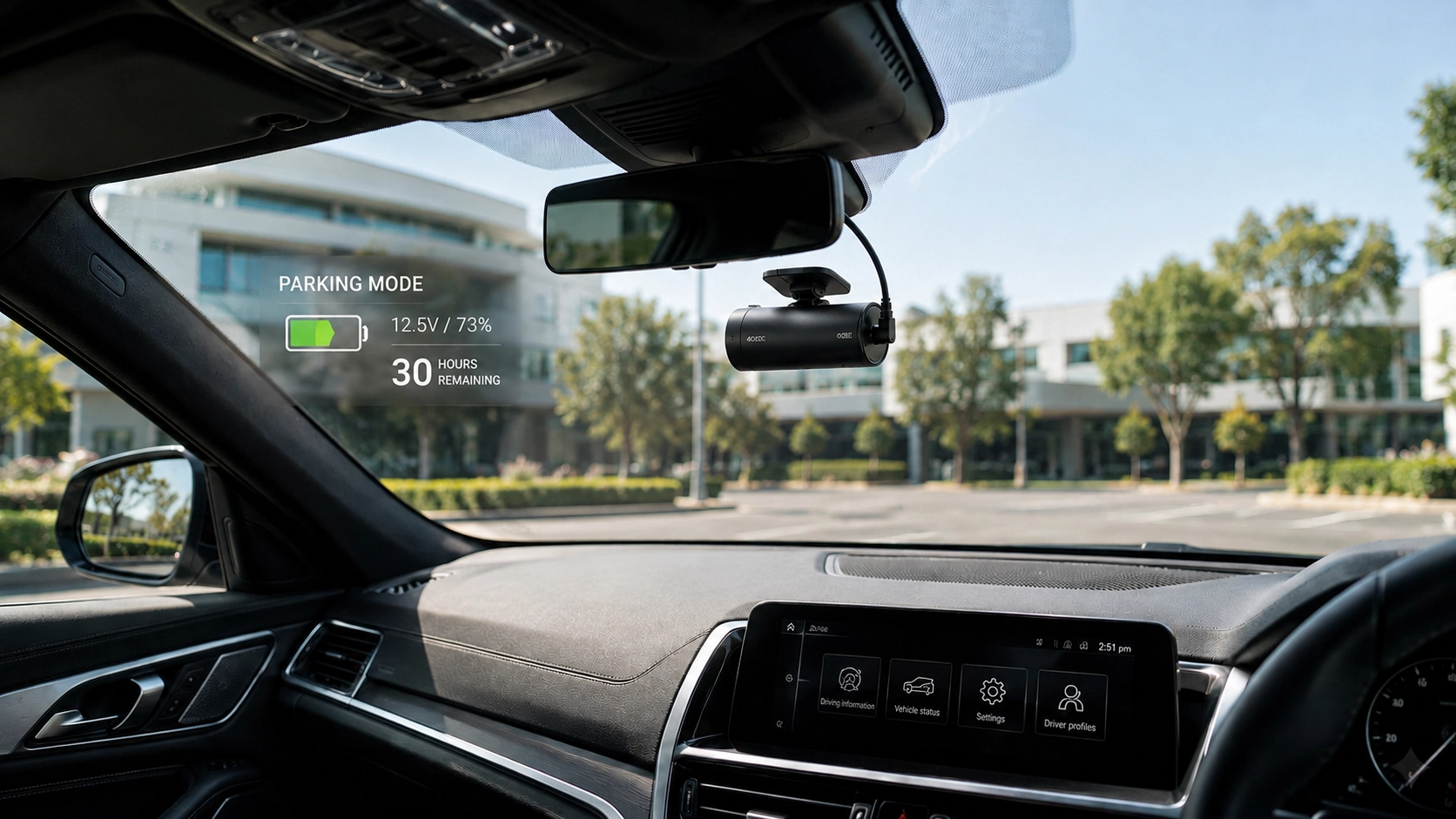
TL;DR: A dash cam battery pack is not necessary for every vehicle. Hardwiring with proper low-voltage protection may provide enough parking coverage for many drivers, while a dedicated battery pack makes more sense for longer parking periods, multi-camera systems, or drivers who want to reduce demand on the starter battery.
Key Takeaways
A dash cam battery pack can seem like an obvious upgrade because parking mode requires power after the engine is switched off. However, a properly hardwired dash cam with low-voltage protection may already meet many drivers’ needs.
A dedicated battery pack is more useful for drivers who park for long periods, rely heavily on parking surveillance, or want to reduce demand on the starter battery. The right choice depends on parking frequency, driving habits, surveillance needs, and whether extra equipment is justified.
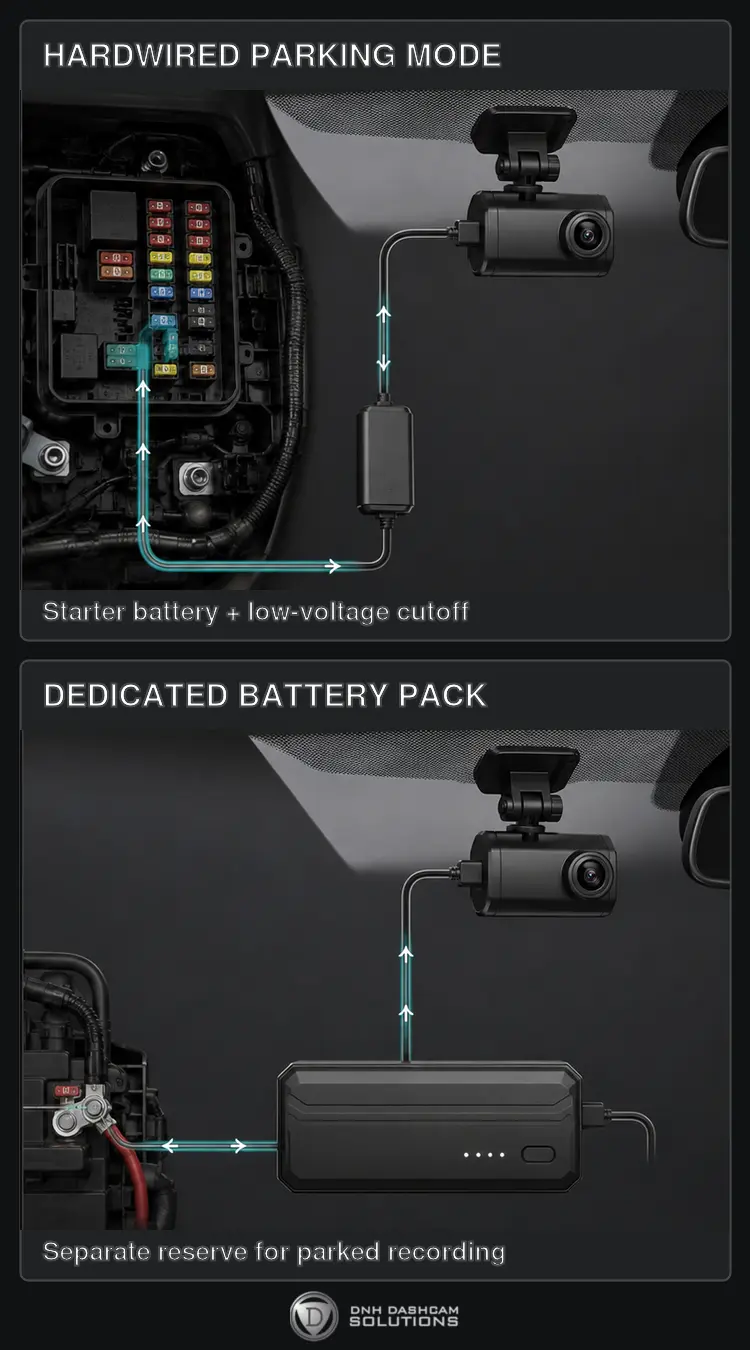
While driving, the vehicle powers the dash cam, but parking mode needs another power source after ignition is switched off. While driving, the vehicle powers the dash cam. In parking mode, a hardwired system uses the car battery, while a dedicated pack powers the camera.
Neither option is automatically better, as the right choice depends on how long you need the camera to monitor the vehicle. Shorter parking periods may suit hardwiring, while longer coverage may justify a dedicated battery pack.
A commuter who parks at work for eight hours, a rideshare driver between jobs, and a work van parked on the street may need more parking coverage than someone who keeps their car in a secure garage. Start with your parking routine, not the accessory.
A dash cam battery pack powers a compatible camera while parked and recharges through the vehicle’s electrical system during driving. When the ignition is off, the camera draws from the pack instead of relying mainly on the starter battery.
This creates a separate reserve for parking surveillance while helping preserve the charge needed to start the engine. Unlike a portable USB power bank, a purpose-built pack is designed for vehicle charging, heat, and permanent installation.
Many drivers mistakenly believe hardwired dash cams drain batteries completely, but proper systems prevent starting problems. Many hardwire setups include low-voltage protection or timers that stop parking recording when the battery reaches a selected threshold.
This allows useful parking coverage while helping protect the starter battery. However, the protection system may switch the camera off earlier than expected if the vehicle remains parked for an extended period.
Low-voltage protection helps reduce starter-battery drain, while a dash cam battery pack provides a separate power source for parking mode. Hardwiring may be sufficient for moderate coverage, but a dedicated battery is more useful for longer or more consistent recording.
A dash cam battery pack is most useful when parking mode is an important part of your camera setup. It benefits drivers who regularly park in public areas, including rideshare drivers, commercial operators, and tradespeople with unattended vehicles.
A battery pack may also help power multi-camera systems, such as front, rear, and cabin cameras. The goal is to meet a real parking-surveillance need, not add unnecessary equipment.
Not every driver needs a dedicated battery pack. If your dash cam mainly records while driving, you park in a secure garage, rarely use parking mode, or only need brief parked coverage, a properly hardwired system may be enough.
The key is to match the setup to your routine. Drivers sometimes overspend on extra hardware by choosing the most advanced option instead of considering how much parking coverage they actually need.
| Factor | Hardwired Dash Cam | Dedicated Battery Pack |
|---|---|---|
| Parking mode | Yes, on compatible systems | Yes |
| Uses starter battery while parked | Usually, with protection | Reduced once the pack takes over |
| Parking duration | Vehicle and settings dependent | Capacity and camera dependent |
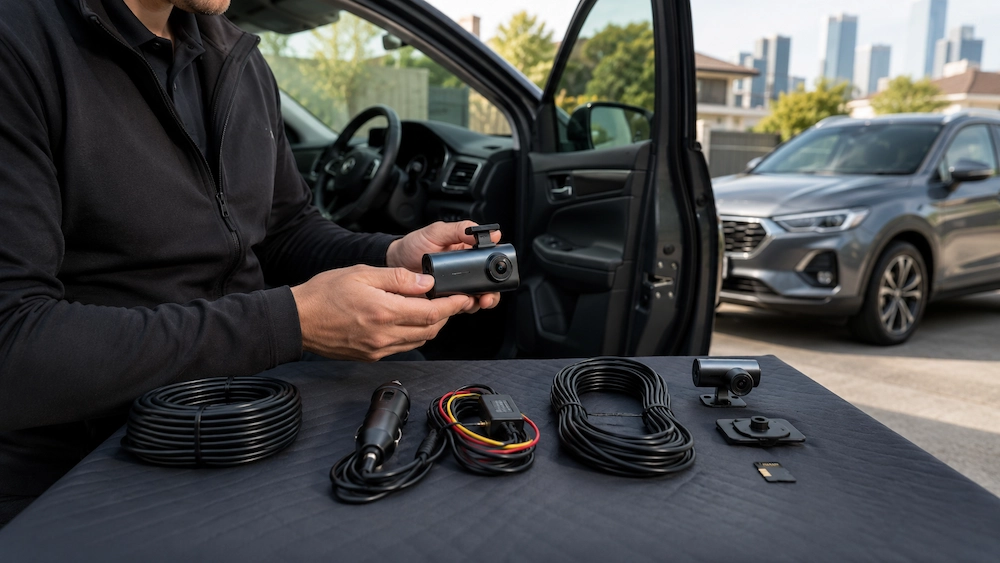
| Extra hardware | Hardwire kit | Battery pack and wiring |
| Best suited to | Moderate parking needs | Longer parking coverage |
Runtime changes according to the vehicle, camera, settings, and driving pattern.
Runtime varies by system based on camera count, power consumption, connectivity, settings, temperature, and battery capacity. Before buying, consider your camera count, recharge time, and typical parking duration.
A large battery is less useful if it does not get enough driving time to recharge. A driver with a long commute may replenish far more capacity before parking overnight than someone who only makes several short trips.
Short-trip drivers should pay close attention to recharge time, because capacity alone does not determine how well a battery pack will suit their routine.
A portable power bank may seem like a cheaper option, but it is not designed for permanent dash cam use. Vehicles face heat, charging cycles, voltage changes, and unattended periods, making purpose-built dash cam battery packs safer.
For reliable parking mode, choose a pack with compatible output, stable performance, temperature tolerance, and secure installation. Capacity matters, but it should not be the only deciding factor.
Confirm compatibility by checking the battery’s output and ensuring smooth switching between driving and parking modes. Also consider the number of camera channels, expected parking duration, recharge time, and available installation space.
Choose a pack that can be mounted securely without interfering with seats, trim, airbags, or normal vehicle use. Capacity is only one factor; the best battery is compatible with your camera and can recharge effectively during your normal driving routine.
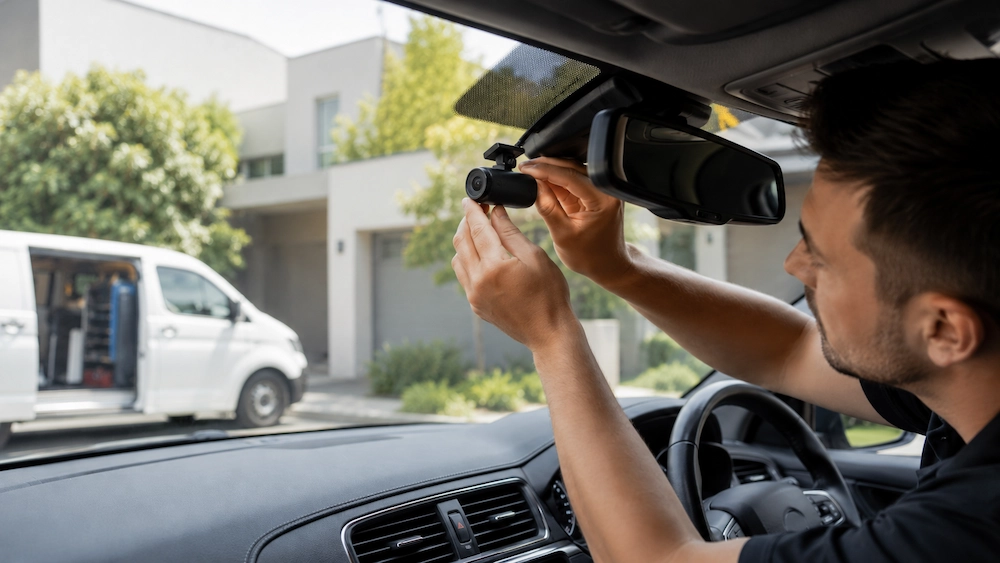
A battery pack requires proper installation, including suitable power, fusing, grounding, cable routing, and secure mounting. The system should record while driving, switch to parking mode when parked, and recharge safely without installation-related electrical issues.
The decision becomes easier when you consider how much parking coverage you actually need. If you only need limited recording, a properly hardwired dash cam may be enough.
A dedicated battery pack is more suitable if you park outside for long periods, use multiple cameras, want extended surveillance, or prefer to reduce demand on the starter battery. The best setup is the one that matches how you use your vehicle.
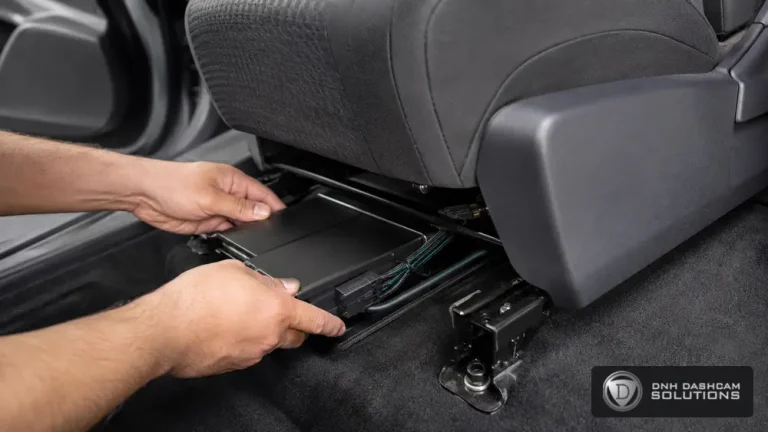
We provide mobile dash cam battery pack installation across Melbourne and surrounding areas. The team can work with suitable customer-supplied equipment or recommend a supply-and-install setup based on the vehicle, camera, and parking requirements.
Installation includes compatibility checks, secure battery placement, clean wiring, parking-mode configuration, electrical connections, and final testing. We assess each vehicle’s usage to recommend the most practical power solution.
If you are considering a dash cam battery pack, first determine how long you need your camera to record after the engine is switched off. DNH Dash Cam Solutions compares hardwiring and battery options, checks compatibility, and installs systems neatly across Melbourne.